




License Plate Recognition for Retailers
Auror is not a hardware or camera provider, or camera analytics company. Auror does not install or operate cameras on highways and road networks, or link to CCTV systems, or sell cameras to municipal governments.
Instead, Auror helps retailers manage their existing License Plate Recognition (LPR) system for their parking lots to prevent shop theft and keep store associates and customers safe.
Auror’s LPR system is a retailer-only software tool that is designed to alert frontline retail teams when a vehicle previously linked to serious or prolific shop theft in their stores re-enter their private parking lots. This provides frontline teams with crucial notice to help them determine the best approach to take, and allows them to check, for a limited time period, if that vehicle has previously entered their parking lot.
In North America and the UK, law enforcement do not have access to a retailer’s LPR information through Auror.

Preventing retail crime at the parking lot
For decades, retailers have used cameras to record vehicles entering and exiting their parking lots. These cameras are capable of reading license plates on vehicles. This is widely-used technology and is commonly utilized for parking access.
Auror does not make cameras or video management LPR software (VMS), instead the software helps retailers manage the workflows of these systems by informing their LPR system with the information they already have about shop theft and violent incidents in their stores.
How it works
Individuals who steal or commit acts of violence in a store, will often arrive and leave in a vehicle. As part of the process where a retailer enters information about these incidents into Auror, they can include a license plate, if known. A retailer must do this manually, there is no automated process or camera analytics that pulls that information from a retailers system directly into Auror.
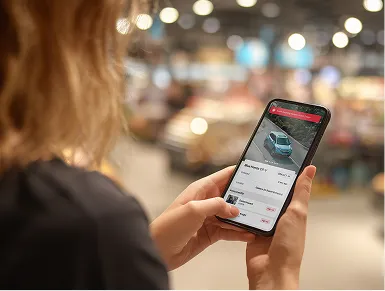
If the incident meets a retailer’s criteria for harm or severity (for example, the event was violent, a weapon was involved or there is a prolific theft component), the retailer may choose to receive an alert the next time that vehicle enters their parking lot. They can also use Auror to check their system to see if that vehicle has previously been at their sites within a limited period only.
Auror manages that workflow, including the access to the system, the alert to the frontline team, and the audit trail. It’s designed to work as a preventative tool to provide store teams with a crucial moments’ notice to make informed decisions about how to protect their stores, staff and customers.
Privacy and responsible tech measures
Although control and ownership of LPR information remains with the retailers at all times and there is no sharing of LPR data between retailers or with law enforcement, Auror’s LPR workflows still feature a number of safeguards for retailers to access their information.
These workflows are designed based on feedback from retailers to ensure their teams are using the information responsibly, only for safety and retail crime prevention purposes and not for loyalty, marketing or tracking.
Retailers have the right to be aware of high risk individuals entering their private parking lots in a known vehicle, especially when those individuals have stolen from them or assaulted their team members. Auror’s LPR system helps them balance this with controls to minimize the information used, access control use and fully audit historic use of their LPR system.
Access is narrow and closely governed. Only trained retailer users have access.
Information available for a retailer to view is only held for a limited period of time.
Every time a retailer views the system, they must input a declaration and reason. This ensures each search is tied to a specific, documented purpose.
All activity is logged. Designated administrators within the retail organization can review this audit trail for all users in their organization at any time, providing ongoing oversight of how the tool is used.