







What is Auror?
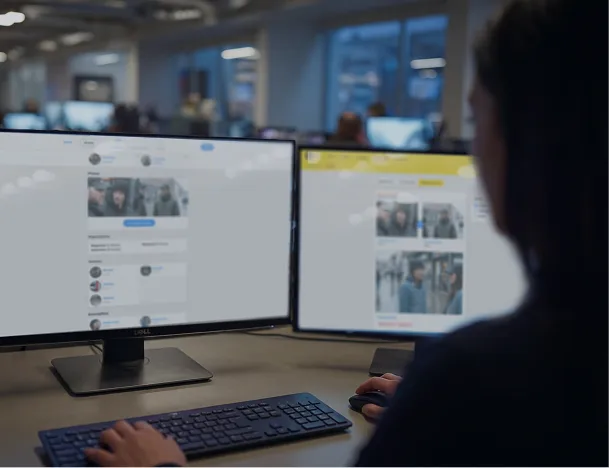
Auror is a software as a service (SaaS) provider to retailers, which helps them to record crime and incidents of anti-social behavior in their stores after these events occur.
It helps to connect what were previously considered isolated crimes by linking events in a privacy-controlled way across stores and retailers to repeat offenders and organised groups. Auror empowers retailers to collaborate with law enforcement to address crime and harm across their store networks and communities.
Modernized retail crime reporting platform
Retailers have always collected information about potential crime and anti-social behavior in their stores, and CCTV has been used to gather evidence for decades.
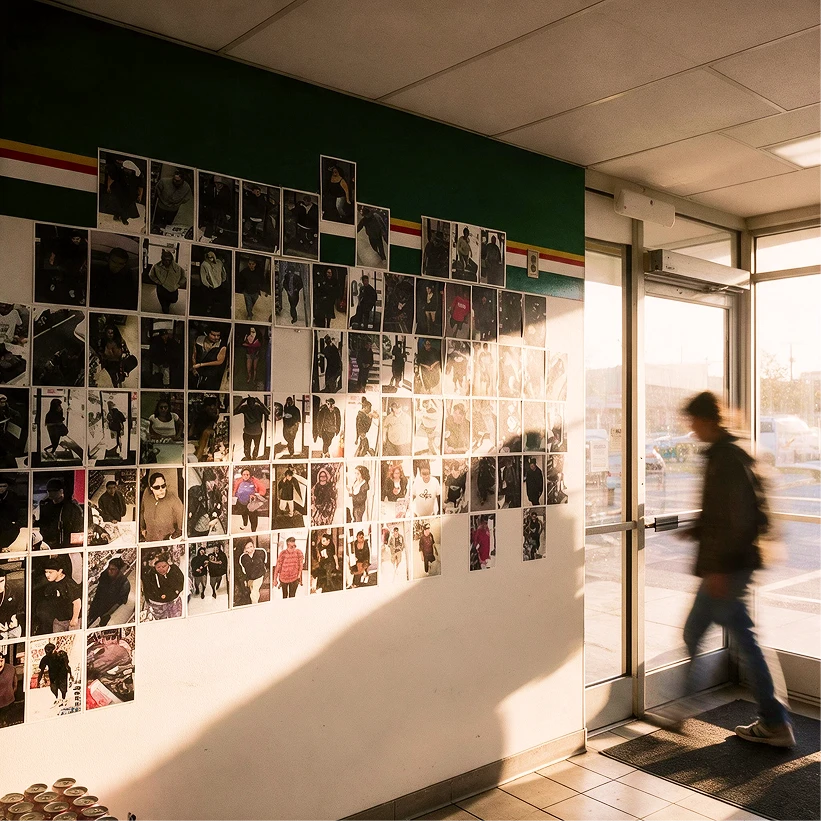
Previously, retailers would use spreadsheets, USB sticks, or public ‘walls of shame’, and unofficial chat groups to capture this information and communicate between stores.
Auror’s software modernizes these processes by allowing retailers to enter information in a structured format. Repeated consistently across their stores thousands of times, it helps surface trends of offending, identifies repeat offenders, and supports retailers in making informed decisions to protect their people.
Importantly, Auror prohibits the collection of sensitive information such as ethnicity, race, and religious or political affiliation.
Compliance and security
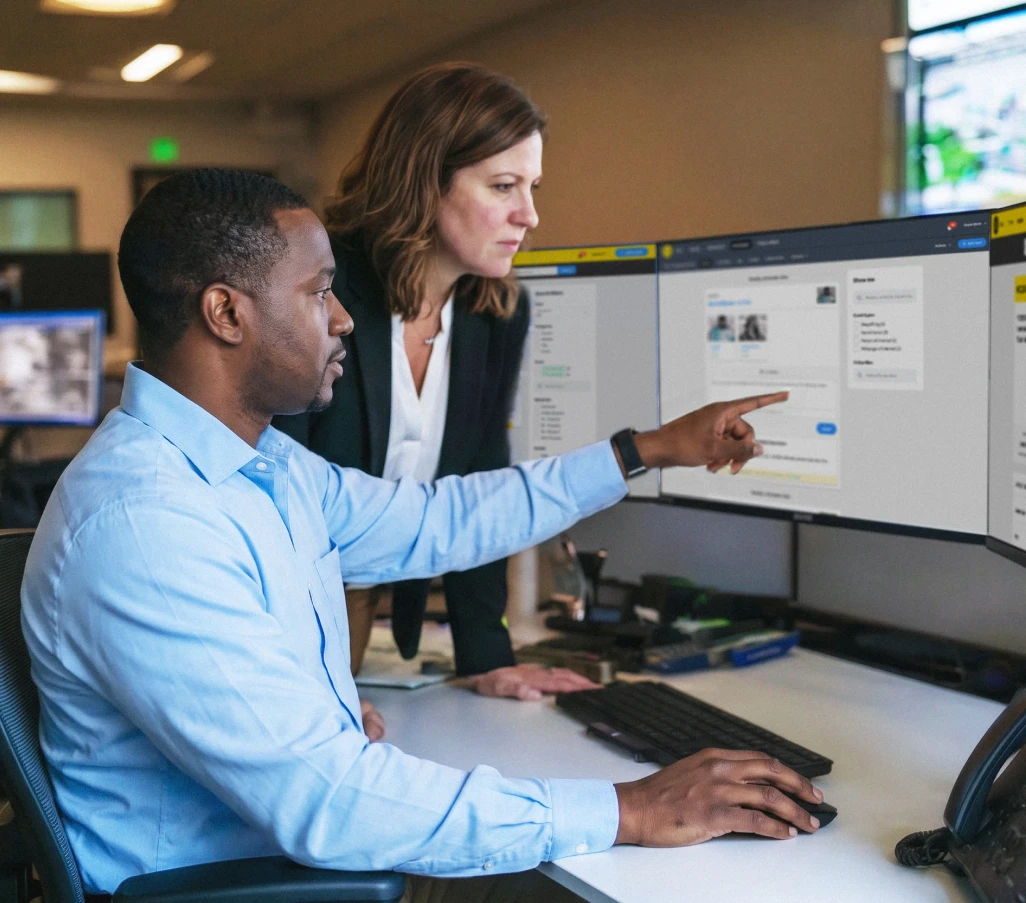
Auror supports retailers’ compliance with local laws and privacy requirements. Our terms of use and community guidelines promote responsible use of the software. We regularly engage with regulators across all jurisdictions we operate in. Auror’s privacy policy is available here.
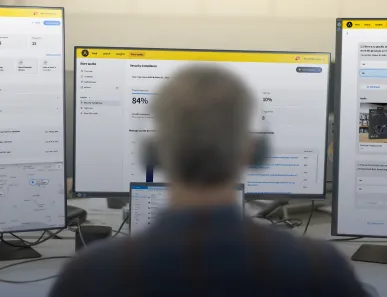
Access to information in Auror can be managed by single-sign-on (SSO) accounts with multi-factor authentication (MFA) and limited to only those authorized. All information is end-to-end encrypted and stored securely in data centers, hosted in local regions. Auror is also SOC2 Type 2 compliant and regularly undergoes cyber security penetration testing.
Trusted by the world’s leading retailers and law enforcement agencies


Sharing retail crime information with law enforcement
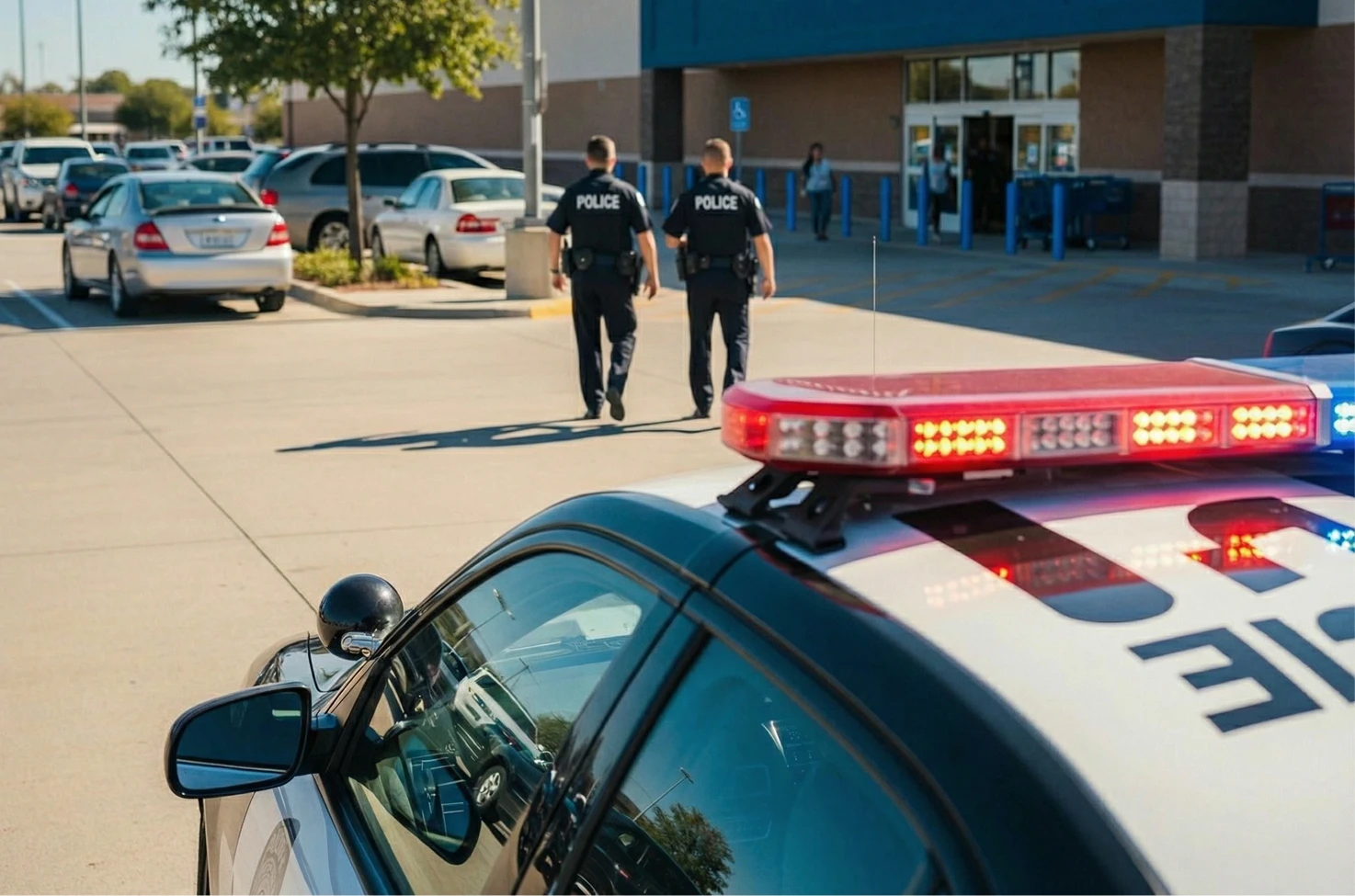
Retailers can choose to share information about crime with law enforcement using Auror. Retailers and law enforcement have always worked together to solve crime in the community, but are often challenged by limited resources and a growing retail crime problem that is typically highly organized in nature.
By connecting multiple events to individuals that are causing the most harm, and enabling police to see that information, police can choose how best to use their resources to focus on the small group of offenders responsible for most harm in our communities.
Frequently Asked Questions
Frequently asked questions
Yes, under privacy regulations in most jurisdictions, you can request your personal information from the entity that collected the information. Individuals can request their personal information from the retailer for them to make a determination about how to handle your request. It's important to note that Auror is a Software as a Service (SaaS) provider to retailers and therefore, retailers determine what information they enter and remain in control of their own data. Auror acts as their agent under their instruction, so we cannot release information directly. We provide retailers with the ability to audit, search, and download information.
Once you make a request, the retailer may require more information, such as your full name, date of birth and the time and location of the event. If necessary, you may contact privacy@auror.co for more information about this process.
Yes. All activity within Auror’s software is auditable and there are layered access controls in place for customers to ensure user groups with an organization have access to the right level of information for their role. We provide audit information so retailers can see who has used, entered, accessed or downloaded information. Access to the software is generally managed by single-sign-on (SSO) accounts with multi-factor authentication (MFA).
Retailers determine what information they enter into the software. Auror provides them with the ability to set access controls internally, and also to self-remediate or delete any information they enter. Information and all activity on the Auror platform is auditable and is processed under strict safeguards. All users must comply with their own internal operating policies and our terms of use, which requires them to not misuse or share information outside the software with unauthorized users. Retailers also need to comply with all local laws.
When users violate our strict terms of use, we work with the relevant organizations to suspend or terminate user access.
Yes. We take privacy and information security seriously and we follow industry best practice to keep information secure. Auror is SOC 2 Type 2 compliant. All information is end-to-end encrypted and stored in secure data centers, hosted in local regions.
Retailers and law enforcement have layered access control settings to ensure access reflects the responsibilities users have within their organizations. At the enterprise level, access to the software is managed by single-sign-on (SSO) accounts and multi-factor authentication (MFA).
Retailers generally set their own retention periods. Information may sometimes be anonymized and aggregated for statistical or reporting purposes so it is no longer personally identifiable information. Retailers cannot retain personal information for longer than they have a lawful purpose.
Retailers can opt in to a module called Connect the Dots (CTD). Image matching is an opt-in component of CTD and is not enabled by default. Through this feature, still images previously entered by retailers can be used to suggest matches to identify individuals who may have been involved in multiple events. The CTD feature is also able to suggest matches using text-based event characteristics such as whether a weapon was involved or unique clothing. Human verification is required to accept or reject suggestions. This is not the same as live facial recognition as matches can only be surfaced after event data has been manually entered in Auror, and processing is limited to individuals who have committed a potential offense.
No. Auror does not own or operate cameras or hardware. Simply, retailers use CCTV footage or images taken with their own cameras and upload it to Auror.
Retailers enter information in the platform about potential crime after the event has occurred.
This is a process where a retailer fills in a structured online form and attaches relevant supporting material like a witness statement, images or CCTV footage.
The form is designed to help retailers enter information that is relevant, accurate, and helpful to potential investigations while respecting data minimization principles. Free-text fields are restricted to prohibit the capturing of sensitive information such as race, ethnicity, religion, or political affiliation.
Retailers may choose to label events as sensitive to apply access restrictions. For example, if the event relates to a known minor or at-risk individual.
Auror (pronounced 'aura') is the shortening of the Latin word 'Aurora' which translates to dawn. Its meaning underpins what we strive to do, which is to help shed light on the scale of retail crime through shared intelligence and digital collaboration.
Auror was founded in New Zealand in 2012 after its co-founders saw a widespread retail crime problem, with no effective, secure technology being used to address it. Retailers are now empowered with the tools to better understand their own information about crime in stores and collaborate with police to identify repeat offenders causing the most harm in the community.