







Law Enforcement
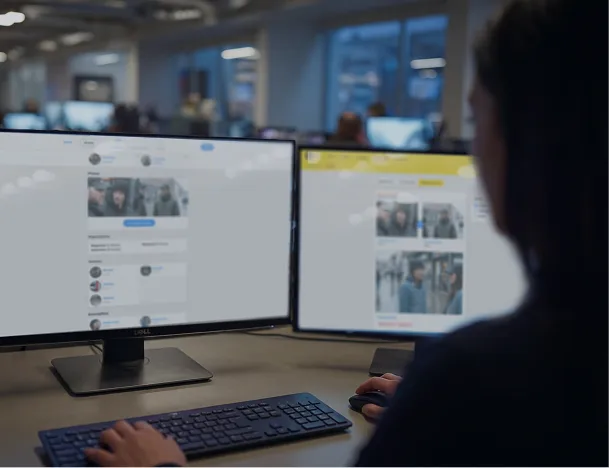
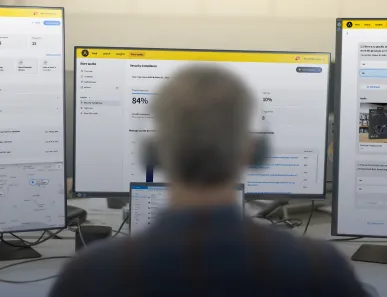
Auror’s platform connects law enforcement to information from retailers in their jurisdiction about potential crime in their stores, fuel stations and parking lots.
For law enforcement, retail crime is one of the highest volume crime types and is often organised. The platform digitises the process for retailers to share a crime report, and the evidence gathering for police, which enables them to better collaborate and work more efficiently together to keep our communities safe.
Law Enforcement
Improving safety in retail settings through technology

Retail environments are the hearts of our communities; they are often located in high traffic areas and draw people from all walks of life. For this reason, retailer information about crime in their stores and facilities has always played a crucial role in supporting law enforcement investigations into serious crime, including retail crime, and operations.
The challenge for law enforcement has always been around processing high volume reports of crime from retailers efficiently, and prioritising limited resources to deal with the top offenders having the biggest impact on the community.
The platform helps law enforcement see the top serious offenders surfaced by retailers based on the structured information and evidence they’ve entered in Auror. By giving law enforcement visibility of these repeat offenders, they can start to see the totality and severity of retail crime in their area, and how it’s impacting across stores.
Law enforcement also benefit from digital evidence gathering by reducing time spent on physical evidence collection, and driving to and from the store for each report - this helps them get back more of their own time to deal with other serious offending in their community.
Community-sourced intelligence and collaboration
Law enforcement can work with retailers using Auror in two ways
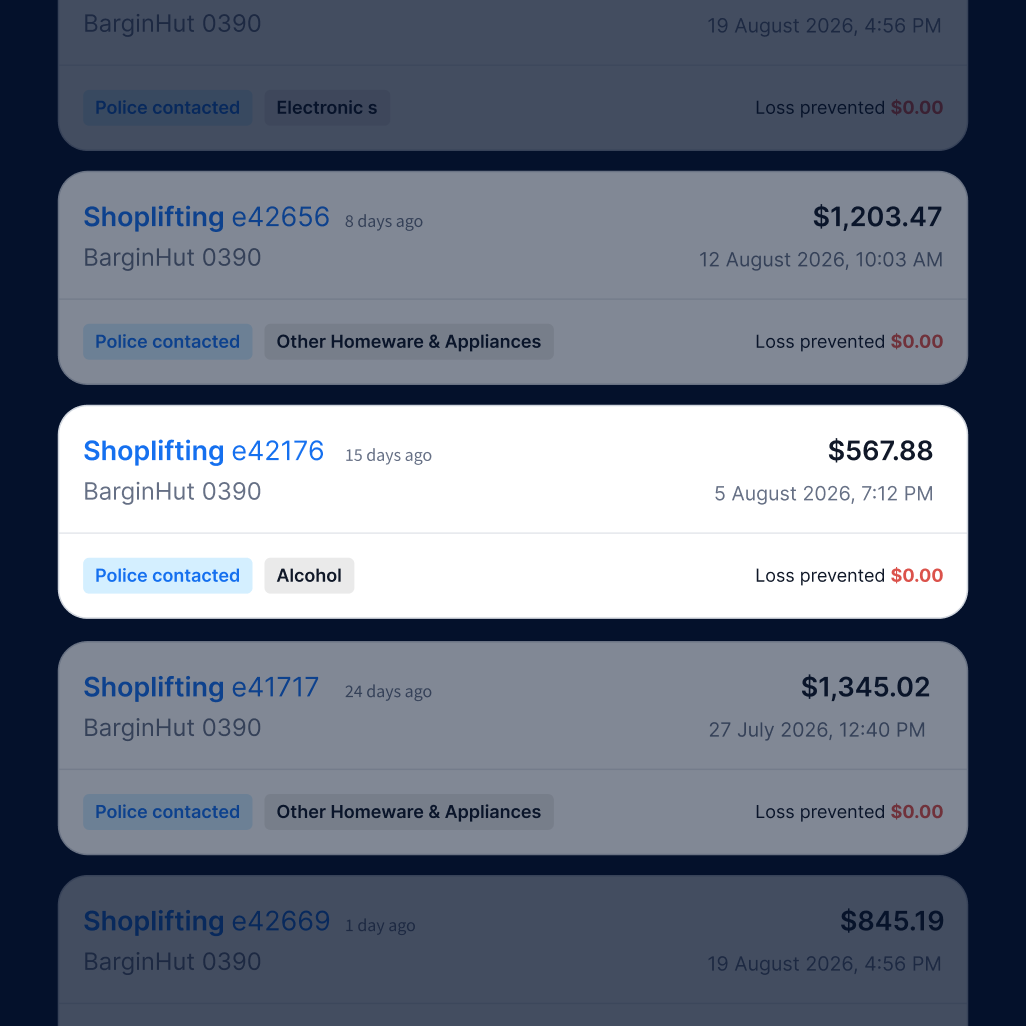
Visibility of crime events
Retailers can choose to make information about a potential crime or in-store event available to police, unless they label the event as internal or sensitive. This provides police with information to support investigations and help them determine the best use of their limited resources.
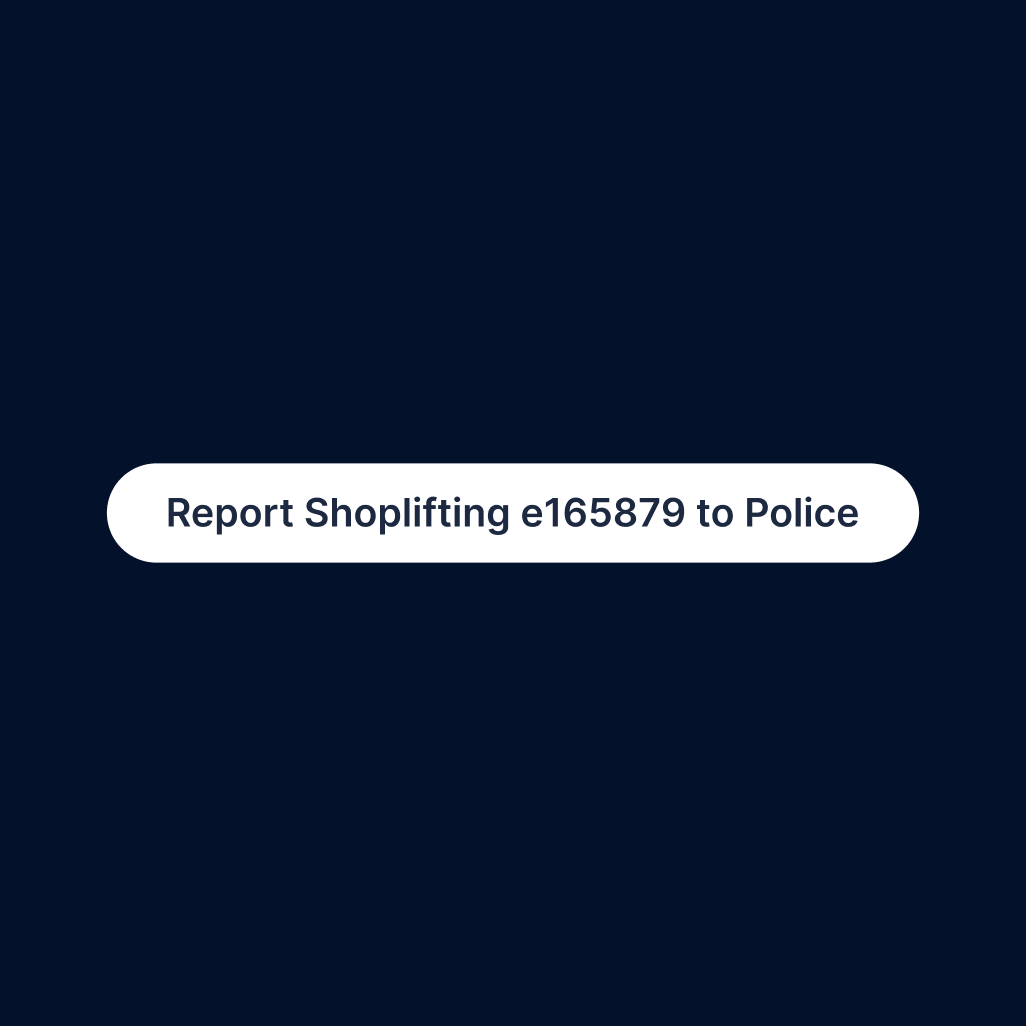
Direct to Police (DTP) reports
Retailers can make an official report to law enforcement using Auror’s Direct to Police reporting module. For law enforcement agencies that use this functionality, this allows formal reports to be made from within the platform and increases the collaboration and engagement with retailers via Auror. Police agencies determine what thresholds enable a retailer to make a report.
Responsible access for law enforcement
The information entered by retailers in Auror can also be used by law enforcement for other investigations into serious crime in communities. Retail settings have provided crucial information to law enforcement in previous cases such as drug smuggling, human trafficking, and organised crime.
Law enforcement have different access to the platform than retail users, and there are some important guardrails in place to promote responsible use of information entered by retailers.
- The software supports layered access controls and single-sign-on (SSO) and multi-factor authentication (MFA) law enforcement user access.
- Retailers voluntarily opt in to share information with law enforcement. This is set OFF by default without this express permission.
- Auror sets out its own Privacy Policy and terms of use which clearly define how law enforcement are able to use information within the platform, in addition to compliance with their own standard operating policies and legal requirements.
- Law enforcement are in control of who can see the information within their agency via its active directory.
Frequently Asked Questions
Frequently asked questions
Auror offers a Make Model Color (MMC) functionality which is an AI tool that searches for vehicles where a license plate is unknown, by searching for the make, model and color of the vehicle or other distinguishing features. This is available in select regions.
Law enforcement users in some regions - and some specific agencies - only have read-only access to the platform, which means they cannot input information into the platform.
However, the platform can support:
- Direct to Police (DTP) reporting: Secure official police reporting by retailers through the platform to law enforcement.
- Comments and status updates: Law enforcement users can securely communicate with retailers to share investigation updates relevant to their report.
- Investigate: Secure functionality that allows retailers and law enforcement to establish a project group with controlled access for the purpose of investigations into crime.
- Evidence request: Law enforcement can digitally request, and automatically fulfill, evidence requests from retailers for serious crime, where the relevant clip is provided for investigation within minutes (rather than sifting through hours of footage).
No. Law enforcement users do not have access to live facial recognition information from retailers using Auror. The Auror Subject Recognition (ASR) system used by retailers does not provide access by law enforcement to those features or related information and alerts - it is designed for retailers to have the context to decide how best to respond to risk.
There are two ways law enforcement can use Auror to access LPR information facilitated by retailers, however availability of these functionalities differs from region to region.
- Access to a searchable list of LPR detections linked to vehicles of interest (VOI) at retail sites, supported by detection images and date, time, location data. Where available, this list of detections also includes links to supporting short-duration video footage.
- Alerts for historical detections of vehicles of interest (VOI) or requests for proactive alerts on vehicles sought by law enforcement, such as stolen vehicles.
Yes. Law enforcement can use retailer information to initiate an official investigation.
Law enforcement can access information about potential crime from retailers if they have chosen to share that within the platform.
This is a manual process where a retailer fills in an online form and attaches relevant supporting material like a witness statement, images or CCTV footage.
The structured form is designed to help retailers enter information that is relevant, accurate, and helpful to potential investigations. Free-text fields are restricted to prohibit the capturing of sensitive information such as race, ethnicity, religion, or political affiliation.
Retailers may choose to label events as sensitive to apply access restrictions. For example, if the event relates to a known minor.
Information dashboards provide law enforcement with real-time aggregated data relating to top offenders in their area, which helps law enforcement target the top high harm individuals in their communities. In some regions, law enforcement may have access to a searchable list of LPR (also known as ANPR) detections linked to vehicles of interest (VOI) at retail sites, supported by detection images and date, time, location data. Where available, this list of detections also includes links to supporting short-duration video footage.
Where Auror’s Direct to Police (DTP) reporting functionality is in use by the law enforcement agency, retailers can also make an official report to police via the platform, provided it meets the thresholds set by the agency.
Law enforcement users must only access and act on information in accordance with relevant laws and in compliance with their agency’s policies. This includes, but is not limited to, search and surveillance legislation, codes of conduct, victims rights and support legislation. In addition, Auror sets out its own Privacy Policy and terms of use which clearly define how law enforcement are able to use information within the platform.
In all regions we operate, law enforcement users cannot access retailer information entered in different countries.
For state-based agencies, they may access information entered from outside their jurisdiction (but within the same country), so long as it’s relevant to their official police duties and in line with relevant legislation and standard operating policies.
Law enforcement users must only access and act on information in accordance with relevant laws and in compliance with their agency’s policies.
Law enforcement users can request access to the platform on the Auror website using their official government-issued law enforcement email address. Before access is granted, Auror undertakes due diligence checks before providing access to that individual. Where Auror has official enterprise level partnerships in place, law enforcement users with approved agencies can get instant access using single-sign-on (SSO).