






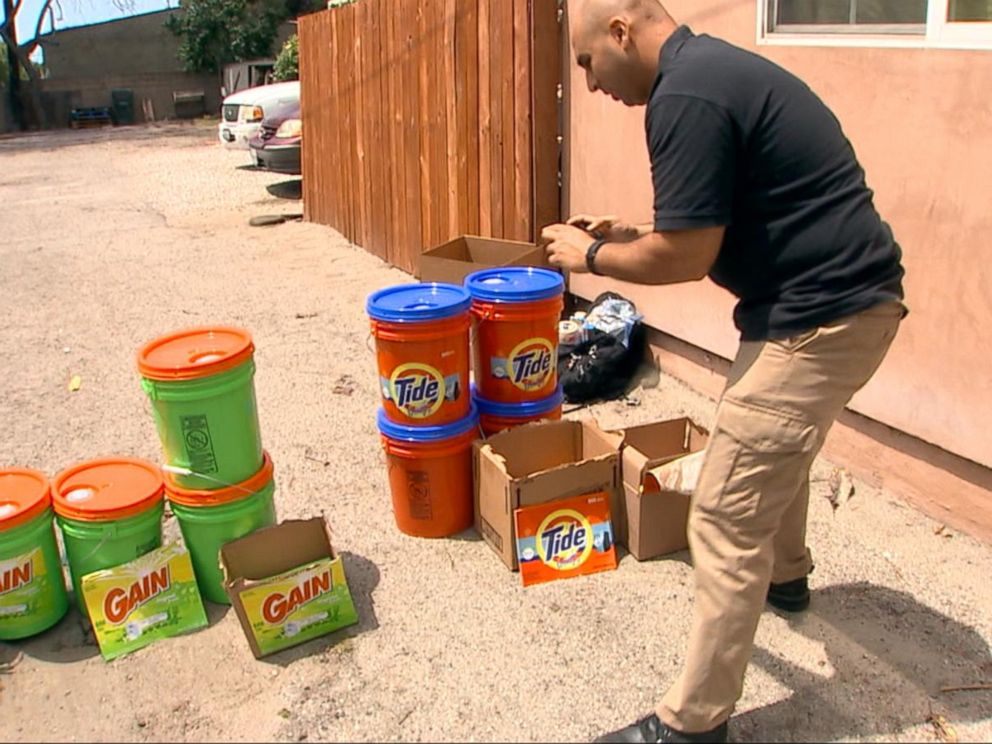
On store shelves around the world - from Los Angeles to London to Sydney - one of organized retail crime's most reliable commodities has been laundry detergent. Whether it’s the culturally relevant orange Tide bottles, or the everyday brands stocked around the world, these products have become high-value, universally in demand, trusted for instant resale, and are difficult to trace the moment it leaves the store.
Auror retailer data shows about half of all recorded laundry detergent theft events in North America were linked to known repeat or organized offenders, while Australia and New Zealand saw an almost 20% increase in laundry detergent events just last year. In the UK, there is a clear risk of violence and abuse attached to the product, with one in six laundry detergent thefts involving physical abuse, threats or the use of weapons.
In the last 12 months, Globally, Auror’s global network of retailers recorded more than five million retail crime events where thieves had targeted detergent.
“Organized retail criminals are four times more likely to be violent,” said Joe Sentance who leads retail solutions for Auror in the UK and Europe. “Organized retail criminals move fast. We need to just give the tools to our retail partners and to our policing partners to be able to move just as quickly.”
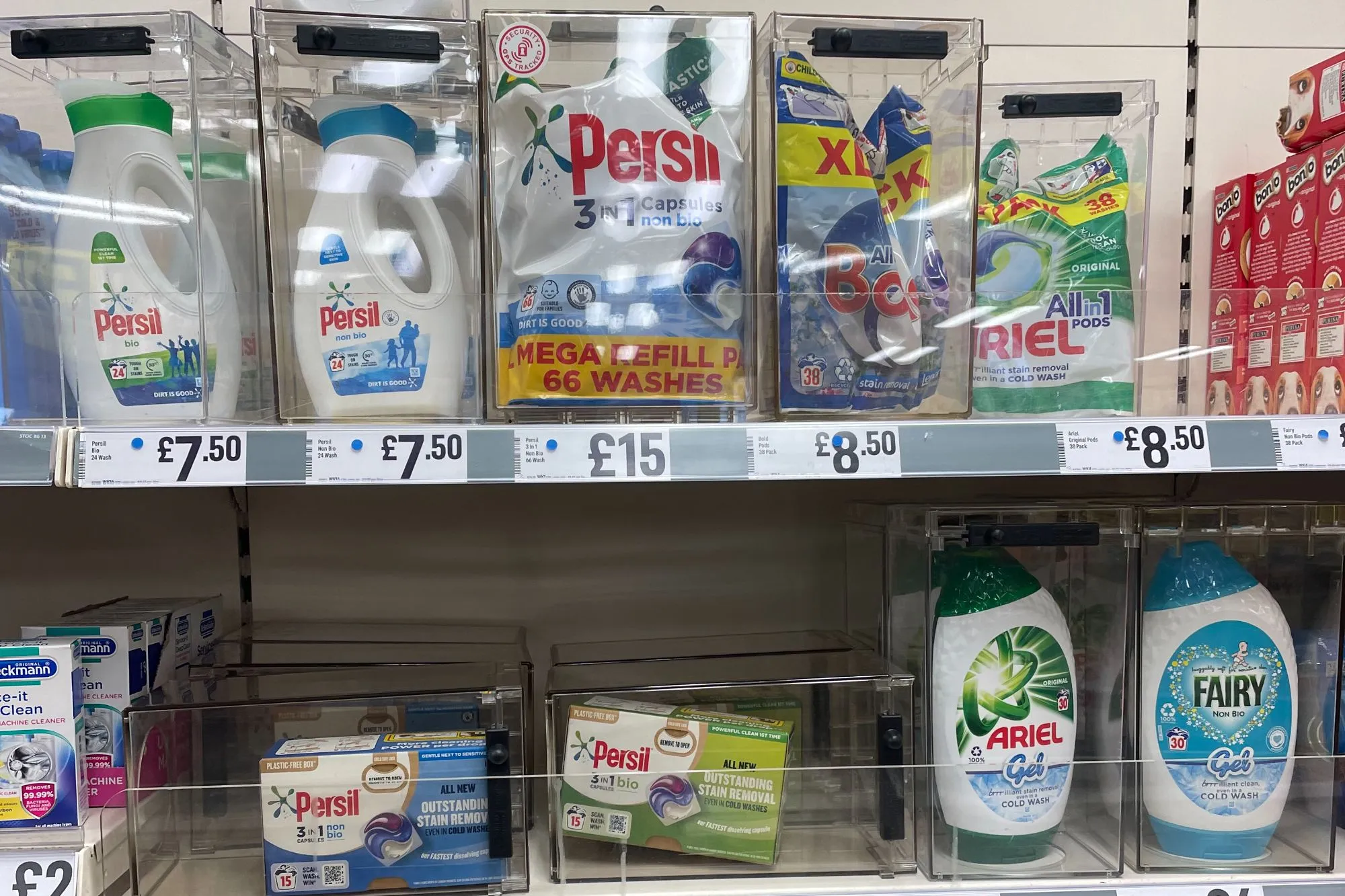
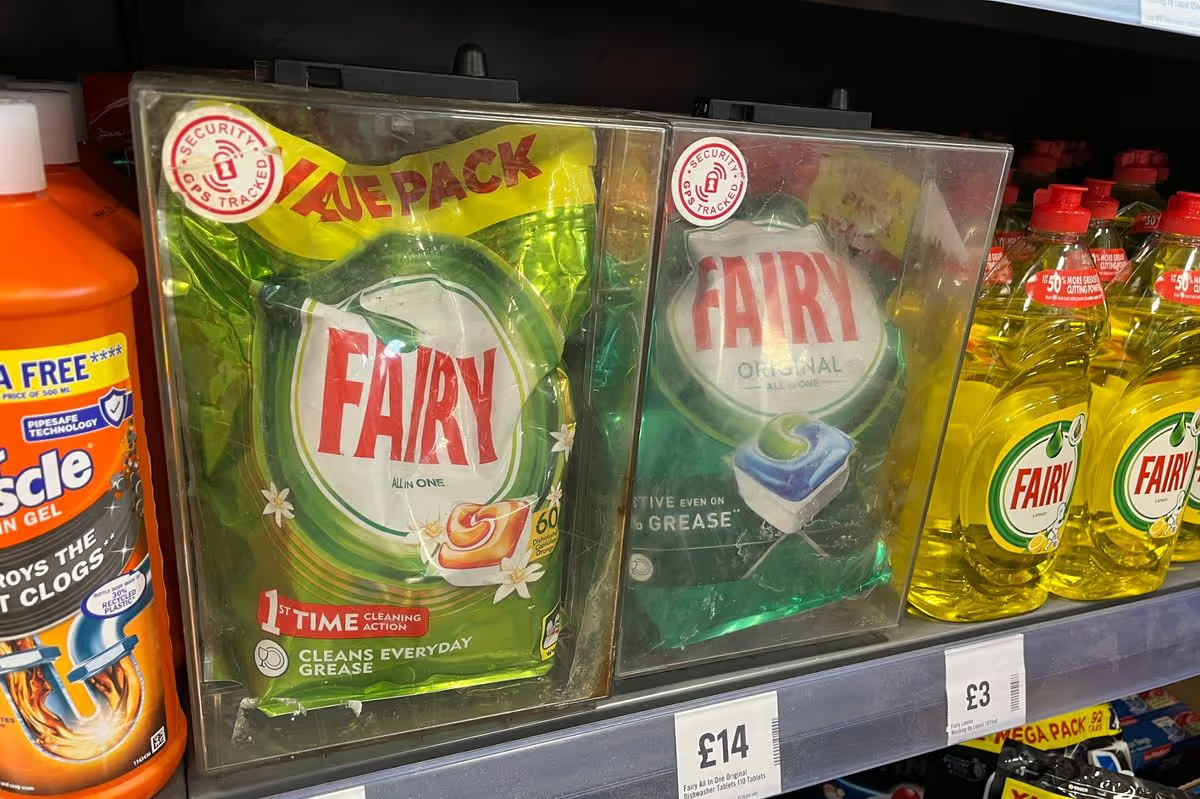
Laundry detergent has been popular among organized thieves for well more than a decade. In the early 2010s, law enforcement agencies across the United States started reporting coordinated theft rings focused entirely on laundry detergent – turning the popular household brand into street currency for drug trade. In the UK, supermarkets even responded by locking detergent brands behind till-side casings and have trialled GPS trackers on dishwashing tablets.
Why detergent?
For organized thieves, these items check all the boxes. They typically carry trusted brands that offer solid resale value, it never expires and demand never really dries up - so it’s reliable. Unlike many electronics and health and beauty items, they don’t have serial numbers, so once it leaves the shelf, it’s gone and can’t be traced.
Stolen detergent is pushed in both online marketplaces and at physical locations such as flea markets and pawn shops. Profits from stolen laundry detergent have been found to fund drug trafficking, gangs and transnational crime, according Raul Aguilar, former deputy assistant director of Homeland Security Investigations (HSI) in charge of organized transnational crime and current Auror head of law enforcement partnerships for the Americas.
“Premium laundry detergent is commonly used to purchase crack cocaine, heroin and marijuana among other drugs, according to various reports focused on the issue,” Aguilar said. “Police across the U.S. commonly note large amounts of laundry detergent when search warrants are executed on drug houses alongside illegal firearms. Laundry detergent is certainly a common product that has popped up across many busts we’ve made on criminal networks during my career - and we’ve seen it used by these rings in a variety of ways to fund their illicit activities.”
On a large organized retail theft scale, localized rings can fetch thousands of dollars per week from this single product type.
Offenders using a ‘liquid illusion’
Laundry detergent isn’t only attractive as street currency. The actual containers are routinely used to hide drugs during smuggling efforts. Methamphetamine and cocaine are able to be dissolved into specialized chemical solutions that mimic the consistency of laundry detergent. After being smuggled, the solution can be treated for recrystallization and prepared for sale.
In 2024, Australian police forces intercepted a massive smuggling operation in Melbourne, Australia leading to the arrest of a British national. Shipping pallets contained hundreds of commercial bottles labeled “ultra-concentrate washing detergent” holding liters of liquid methamphetamine.
Similar to the method of disguising controlled substances as laundry detergent, New Zealand authorities have been credited with foiling a liquid dish soap smuggling operation.
The impact on customer experience
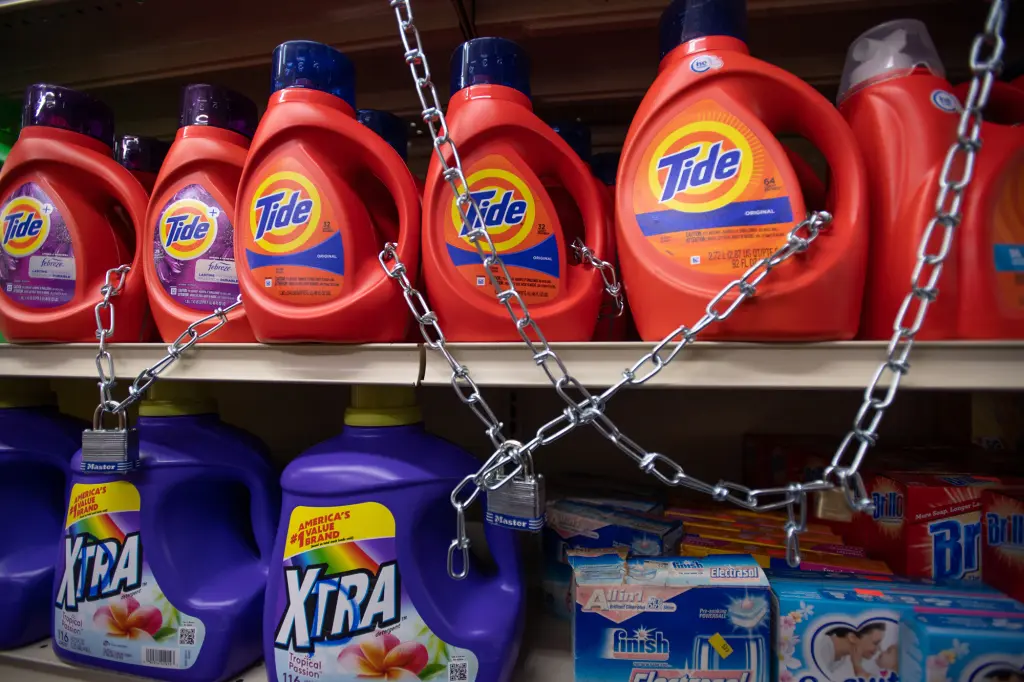
Stores around the world have been forced to lock these products using chains, plexiglass cabinets, or lock them using devices that require shoppers to request special assistance from associates before making a purchase.
“The concern is when the retailers start locking everything up, and toothpaste gets locked up and Tide, and all those things, you have to start asking people to unlock,” said Deputy Chief Brian Wilson of the Anchorage Police Department.
Decisions to put detergent under lock and key have been driven by the targeting of these products, backed by industry data, such as the National Retail Federation (NRF) in the U.S., which shows premium detergents are some of the largest targets of organized crime syndicates. Unfortunately, some shoppers report having to wait up to 10 minutes for busy associates to assist them in unlocking cabinets to get access to everyday household items.
“Laundry detergent is one the the few products that is truly at the heart of organized retail crime around the world,” said Sentance. “Popular UK brands are increasingly kept under lock and key. Premium laundry detergent is highly targeted because it holds a high value on the secondary market. By increasing our focus on ORC theft of these items, we can deliver the biggest impact on reducing future theft and limit the need for retailers to keep these products under lock and key.”
Turning the tide
Retailers and law enforcement agencies are using technology like Auror to surface organized retail crime trends targeting these products across the entire global retail sector.
“Law enforcement agencies nationwide have broadened their approach beyond case-by-case investigations in an effort to move from low-level boosters to the heart of the criminal enterprise,” Aguilar said. “Seamless coordination between loss prevention officers and police, along with secure and organized reporting are helping connect the dots and leading to large busts of criminal networks.”
In late 2025, authorities in Florida recovered tens of thousands of dollars worth of high-demand items, including laundry detergent, in what was called ‘Operation Bonnie and Tide’. Meanwhile, earlier this year, Florida’s ”Over-the-Counter” retail theft ring was dismantled. Seized items included “over-the-counter” health and beauty supplies and laundry detergent.
A bust in early 2026 in the UK led to police seizing loads of various products including liquor and laundry detergent.
Connecting the dots on organized efforts to steal these items requires consistent reporting by retail associates and shared intelligence via the Auror platform. Breaking down silos between retailers and law enforcement is key. Understanding the unique characteristics of the thieves and their methods helps detectives solve complicated cases – saving retailers and consumers billions of dollars. Technology is the key to keeping up with organized crime and being part of a network that helps retailers stay ahead of the problem.