




The retail criminals targeting stores are increasingly organized and mobile. Meanwhile, the retailers successfully keeping them out of their stores are the ones turning data into actionable intelligence, and collaborating with other retailers and law enforcement.
At the 2025 Retail Secure Conference, put on by the Retail Council of Canada (RCC), Auror's Jon Briegel moderated a panel with Daryl Blackmore, Director of Loss Prevention at Rexall, and Dave Cheema, Director of Asset Protection at Best Buy Canada. Together, they walked through how their teams went from reactive reporting to proactive prevention, what changed when frontline employees were given real intelligence, and what it actually takes to get new technology through a large organization.
Key takeaways from this episode:
- Closing the feedback loop transforms store engagement. When employees see arrests, warrants, and recoveries tied to their own reports, reporting becomes a priority rather than a chore.
- Getting intelligence into frontline hands changes the nature of every interaction. Recognizing a repeat person of interest at the door is a safer outcome than confronting them mid-incident.
- Don't assume your IT or legal teams will say no. Engage them early, come prepared, and you may be surprised at how achievable implementation actually is.
When frontline teams get real intelligence, everything changes
At Best Buy Canada, store teams can now identify a repeat person of interest the moment they walk in, rather than mid-incident. That shift, from reactive to proactive, changes the entire dynamic of the interaction.
"There are multiple wins of repeat offenders going into other stores and our blue shirts being able to identify them as soon as they walk in, rather than at the time of the incident. And that really helps de-escalate the situation… By providing that customer service right away rather than at the time of the incident, it's really helped de-escalate situations."
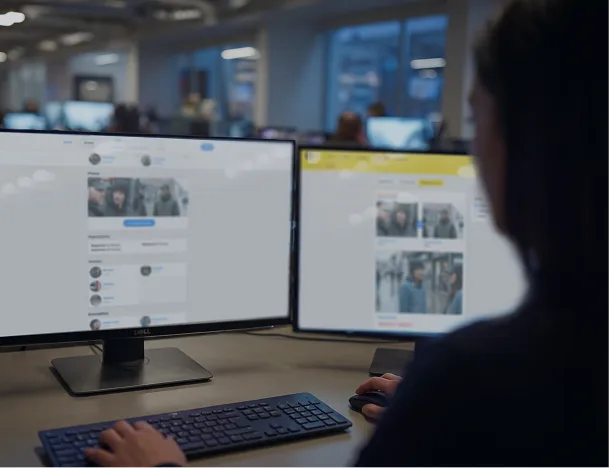
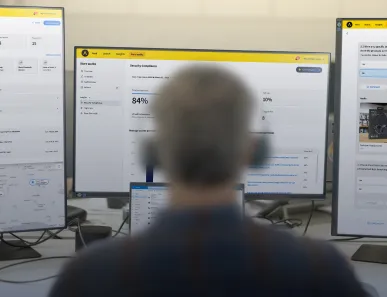
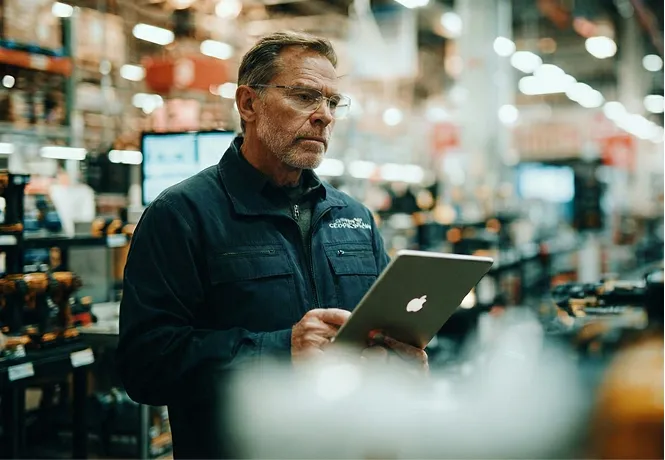
At Rexall, the cultural shift has been even more visible. Cashiers are starting their shifts by picking up an iPad, opening the Auror feed, and reviewing the people currently impacting their store and area. During a senior leadership tour of a high-risk downtown Toronto store, a cashier spotted a known repeat person of interest walking in, called them by name, and told them to leave. When the senior VP asked how she knew, she showed him what she had reviewed at the start of her shift, three days earlier, from the same Auror feed. That was the moment leadership understood what actionable intelligence really meant.
The feedback loop that changes everything
Before Auror, Rexall had a reporting culture problem. Stores filled in dropdown forms with entries like "cosmetics, $1,500" and heard nothing back. Data went into a black hole. Reporting became a low priority.
"The employees now understand that there is a vital link to us getting an outcome for them. Whether that's an arrest, a warrant being issued, or a recovery, it's their data that drives us to those outcomes. We let all those stores know that [the offenders] have been stopped, they've been arrested, whatever the case is, and we thank them for their involvement."
Dave describes the same principle at Best Buy. Celebrating wins in real time, letting staff know the impact their reports made, is what sustains the platform's adoption. No retailer wants to invest in technology that sits unused. Giving frontline teams a reason to keep reporting is what keeps the intelligence flowing.
Getting new technology through a large organization
Both Daryl and Dave were candid about the internal hurdles. For Daryl, the biggest surprise was not IT. It was privacy.
"The privacy piece, when you're looking at anything where you're going to aggregate personal information, is the biggest call out I could make. It is achievable. When I look at the Walmarts of the world being able to do this, that means there are ways to get your legal team and your privacy teams to understand and accept the solutions. Don't make the worst assumption. Give it to them to try first and find out their feedback, and you might be pleasantly surprised."
Dave's advice is simply: the juice is worth the squeeze. For a low-margin electronics retailer, making the case for new technology means leading with safety as opposed to shrink. Once that framing clicked internally, the conversation became easier. And the tech lift, it turned out, was smaller than expected. For Best Buy, it was essentially whitelisting a URL.
The conversation also covers where both retailers are heading next. Daryl is piloting license plate recognition, which would push the detection window back to the parking lot, giving teams extra minutes to prepare before a known person of interest even reaches the door. Dave is consolidating systems, moving investigations and case management into one platform with Auror.
Watch the full episode to hear the Rexall and Lululemon joint case that led to a longer-term sentence for a prolific offender, how Rexall now has 600 active law enforcement officers on the platform, and the advice both leaders would give to any retailer sitting on the fence about making a change.