


A third of retail incidents involve repeat offenders. Those same people are 2.5X more likely to carry weapons and twice as likely to show serious behaviors or be threatening in North America. And when a case gets reported, there is a reasonable chance the evidence ends up on a USB drive that nobody can play, in a file format the detective's computer does not recognize, or simply never transferred at all. The result is cases stall, offenders keep going, and the people working in stores pay the price.
This episode brings together four people who are working to change that. Bobby Haskins, Director of Cybersecurity Defense at Target, moderates a conversation with:
Brian Friedman, DVP of Asset Protection and Risk Management at REI
Seth Hughes, former VP of Retail Strategy and Innovation at Axon
Raul Aguilar, Head of Law Enforcement Partnerships, Americas at Auror
Lieutenant Eugene Kim, former Technology Services Bureau Commander at the Beverly Hills Police Department
Together, they map out what a connected, modern response to retail crime actually looks like in practice.
Key takeaways from this episode:
- Organized retail crime is serial, multi-store, and connected to broader criminal networks. Treating it like isolated shoplifting means missing the full picture.
- Evidence sharing between retailers and law enforcement has historically been broken. Technology is finally fixing it, but only when trust and security is built in.
- Frontline safety starts with information. Empowering employees to observe, report, and deescalate, rather than intervene, is what turns incident data into solved cases.
The evidence problem nobody talks about
Lieutenant Kim has heard every version of the same story. "We'll have the video ready for you later today." Then an officer drives to the store, picks up a thumb drive, comes back to find the format is unreadable, the file won't play, or the CD drive no longer exists. Meanwhile, the crew that hit the store is already three cities away.
"All these ORC-related crimes are no different than major narcotics, major organized crime cases. They're all serial in nature, they're going to happen again, there are multiple conspirators, and they all communicate with each other. The sooner we can get the critical evidence, the sooner we can tap into that and take down these organizations and stop them from committing more crimes."
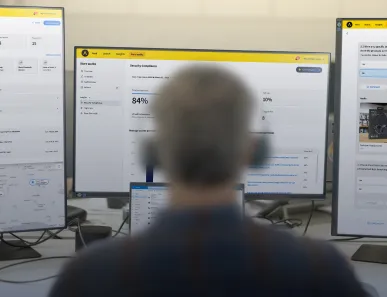
Seth Hughes experienced the shift firsthand. A case that once required rushing a three-ring binder to a federal agent now takes minutes. Evidence moves directly from Auror into Axon's evidence.com, routed to the right person, with chain of custody intact. What used to be a logistical obstacle is now a couple of clicks.
What real collaboration looks like in loss prevention
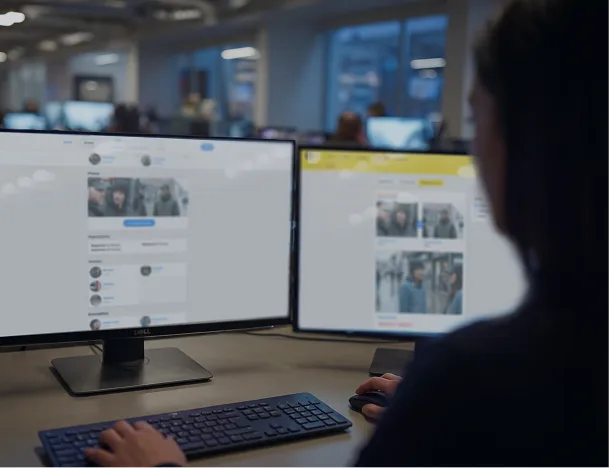
Brian Friedman remembers when REI's approach to information sharing meant juggling WhatsApp threads, Signal messages, and email chains. It was fragmented, insecure, and slow. Today, law enforcement partners are working directly inside the platform alongside retail investigators, connecting the dots on repeat persons of interest in real time.
"I think back even a few years ago and the way we collaborated through text message threads and WhatsApp and Signal and it was all over the place. When I think about the Retail Crime Hub and the connection with law enforcement inside our platform really thriving, growing hand over fist every single day with a new officer contributing to information and collaborating on investigations, it's priceless."
Lieutenant Kim adds that the relationship has to be built before the crisis hits. His advice to frontline supervisors: send your loss prevention associates to meet the detectives in person. Bring coffee. Hand out your cell number. Those small investments in trust are what make the technology work when it matters.
Safety first, information always
Frontline safety at REI starts with better intelligence. Body-worn cameras, combined with Auror’s Retail Crime Hub, give associates the context they need to inform how they show up to difficult interactions. Having an incident captured, reported, and connected to a broader pattern is how a single store incident becomes actionable intelligence for loss prevention teams.
"The biggest thing is still anchored in safety first. Hazard recognition is important. If you're going to approach a situation that looks like it's going to be hazardous, you don't approach the situation, you allow it to unfold. What really helps us generate traction on cases is information. Somebody running out is not going to be as helpful as getting [more] information and facts."
Descriptions, vehicle details, what was taken and how, all of that information, reported quickly and completely, is what allows cases to be built, offenders to be identified, and law enforcement to act. Raul notes that at one retailer, reporting under four minutes has helped drive an 18% increase in investigations taken by police and an 82% case conversion rate once accepted.
The future these panelists describe is one where retailers have real-time crime centers where the intelligence loop closes fast enough to prevent the next incident entirely. That future is closer than most people realize.
Watch the full episode to hear Lieutenant Kim's crash-and-grab case study, Seth's breakdown of 52 different ROI calculations for connected retail technology, and what it will take to get from fragmented systems to a truly unified response.